Co-Founder and Strategy Lead, Crypto Renegades
Chad Wittfeldt
Chad first heard about Bitcoin in 2012, bought his first coin in 2013 at around $100, learned markets through forex in 2015 and went full time on crypto in 2017, posting public technical analysis on Bitcoin's break above $3,000 that August. That same year he flagged USI Tech and BitConnect as Ponzi schemes and warned the people around him before either one was exposed. He ran an Ethereum GPU mining operation from 2019 to 2021, and verification runs through everything he teaches.
- went full time on crypto
- 2017
- went full time on crypto
- added leverage and contracts
- 2018
- added leverage and contracts
- started mining Ethereum
- 2019
- started mining Ethereum
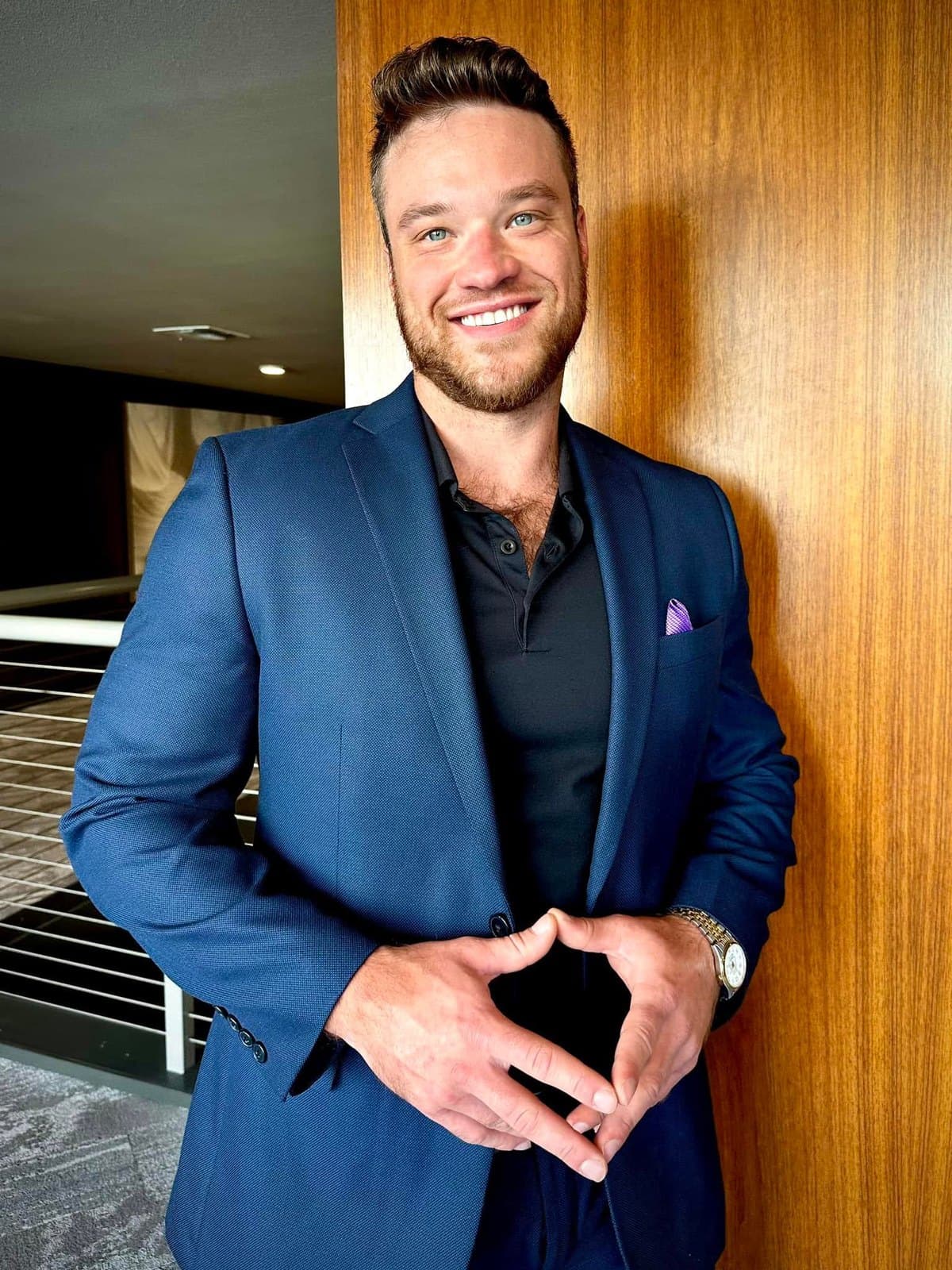
Chad Wittfeldt was in crypto before it had been in a single newspaper. He bought his first Bitcoin in 2013 at about $100 a coin, and started learning market structure seriously.
The expensive years
He put himself through college tending bar at a private country club and graduated with about $20,000 saved. With no process, no risk management and no patience, he lost all of it in about 10 months. Around his fourth year he funded a $5,000 profit-share account for a trader he trusted, and watched it get blown in three weeks on oversized positions. That was the moment risk management became the center of everything he does.
Cycles, leverage and infrastructure
Crypto became his full-time focus in 2017, when he was posting his Bitcoin analysis publicly and people started asking him for advice. Leverage and contracts followed in 2018. From mid-2019 to late 2021 he ran an Ethereum GPU mining operation, read every Ethereum Improvement Proposal himself, and sold every rig before the move to proof of stake ended GPU mining.
Watching the scam market get invented
Because he arrived early, Chad saw the first multibillion-dollar crypto frauds play out in real time, BitConnect and USI Tech among them. Watching that playbook get written is why verification, red flags and personal responsibility run through everything he teaches.
What he looks for in a student
Someone who arrives with their own numbers, asks for an audit of their trades, and treats the process as a skill that takes time and effort to own. Bring your charts and your last trades, marked up. Come like a professional.
Podcasts, interviews and articles
Chad, on the record
 LinkedInThe Binance hack didn't break crypto. It broke a middleman.Article · October 30, 2026 (opens LinkedIn in a new tab)
 LinkedInIs Leverage Trading Gambling? Only When You Refuse to Own the ButtonArticle · October 25, 2026 (opens LinkedIn in a new tab)
 LinkedInWhen Is the Best Time to Buy Crypto? When Nobody Else Wants ItArticle · October 23, 2026 (opens LinkedIn in a new tab)
 LinkedInHow to Learn Crypto Trading Like a Business, Not a Lottery TicketArticle · October 21, 2026 (opens LinkedIn in a new tab)
 LinkedInCrypto Took Four Punches In Seven Days And Closed Higher. Here's What Actually Happened.Article · September 21, 2026 (opens LinkedIn in a new tab)
 LinkedInWhy Most People Lose Money In Crypto: It Isn't The VolatilityArticle · September 14, 2026 (opens LinkedIn in a new tab)
Writing by Chad
All articles Investor Mindset6 min read
What is Form 1099-DA? What crypto holders should know before tax season
Form 1099-DA is how crypto brokers report your sales to the IRS. What it is, who sends it, which tax years it covers, what changes for self-custody, and what to ask your accountant. Education, not tax advice.
 Chad Wittfeldt
 Risk Management7 min read
Isolated vs Cross Margin in Crypto: Which One Protects Your Account
Isolated margin keeps a position inside its own box. Cross margin puts your whole balance behind it. Here's how each one works, a worked example with real numbers, and which one to use first.
Chad Wittfeldt  Security and Scams6 min read
Wrench attack crypto risk: why you never tell anyone what you hold
Physical attacks on crypto holders hit a record in 2025 and kept climbing in 2026. Many start with someone finding out what you hold. Here's how privacy, split storage and silence protect you.
Chad Wittfeldt  Risk Management6 min read
How much to invest in crypto: size it from the worst drop, not the best
There's no magic percentage for how much to invest in crypto. Size it from the worst drop you could sit through, keep it to unemotional risk capital, and write the size and horizon down before you buy.
Chad Wittfeldt  Investor Mindset5 min read
Why do traders lose money? They size for the profit, not the risk
Most traders don't lose money because of a bad strategy. They fund a big account, chase a big number and skip risk management, entry criteria and patience. How I lost $20,000 learning this, and why we start beginners at a couple of dollars per trade.
Chad Wittfeldt  Risk Management6 min read
What is profit factor in trading? The number that matters more than win rate
Profit factor is gross profit divided by gross loss, and it tells you whether your winners paid for your losers. The formula, an illustrative worked example, what a good profit factor in trading looks like and how to track it honestly.
Chad Wittfeldt
Learn the process with Chad
Live sessions, decision review and a private community. Start with a straight conversation about fit.
5.0Based on 93 reviews